
Recent Donations

Nikhil kumar
Society for Trekking and Environmental Preservation

Monika Singh
Tushar Mehra
Tushar Mehra
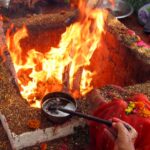
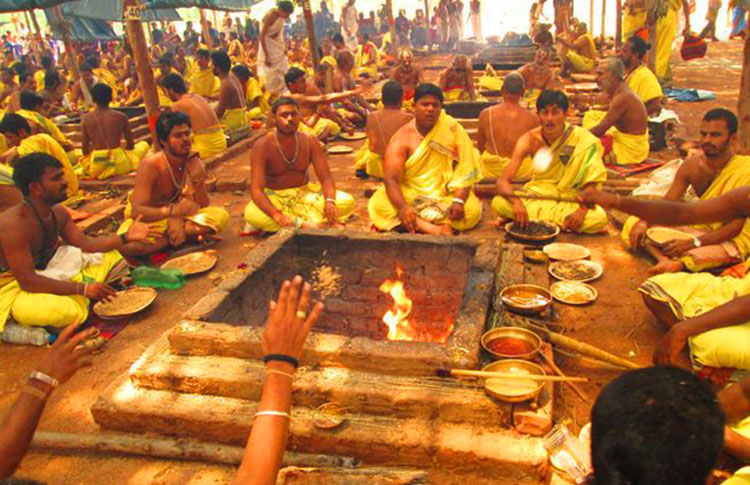
Yajna for Clean Air and Environment
Clean Air & Environment by Yajna
When we breathe, pollution enters our lungs and can enter our bloodstream. Air pollution can contribute to small annoyances like coughing or itchy eyes. It can also as cause or worsen many diseases involving the lungs and breathing, leading to hospitalizations, cancer, or even premature death.
Just like humans, plants also need air to stay alive. At the same time, we should be able to respire in clean air, as clean air is important to human and animal health because pollutants can cause harm in various ways. Life expectancy and quality can be significantly reduced in places with clean air problems.
When Yajna or Hawan is performed, the fire touches the air, it gets purified, and becomes lighter in nature. When this light air is mixed up in the environment, it replaces the cold or impure air, and this process continues, and the air gets purified till the ritual is being performed on the planet.
The destruction of wild spaces facilitates the emergence of zoonotic diseases.
The alteration of land to create space for homes, farms and industries has put humans in increasing contact with wildlife and has created opportunities for pathogens to spill over from wild animals to people.
Air pollution reduces quality of health and lowers life expectancy.
Across the globe, nine in 10 people are breathing unclean air, harming their health and shortening their life span. Every year, about 7 million people die from diseases and infections related to air pollution, more than five times the number of people who perish in road traffic collisions.
Biodiversity loss compromises the nutritional value of food.
In the last 50 years alone, human diets have become 37 per cent more similar, with just 12 crops and five animal species providing 75 per cent of the world’s energy intake. Today, nearly one in three people suffer from some form of malnutrition and much of the world’s population is affected by diet-related diseases, such as heart disease, diabetes, and cancer.
Biodiversity loss also reduces the scope and efficacy of medicines.
Natural products comprise a large portion of existing pharmaceuticals and have been particularly important in cancer therapy. But estimates suggest that 15,000 medicinal plant species are at risk of extinction and that the Earth loses at least one potential major drug every two years.
Pollution is threatening billions worldwide.
Many health issues spring from pollution and the idea that waste can be thrown “away” when, in fact, much of it remains in ecosystems, affecting both environmental and human health.
Climate change introduces additional risks to health and safety.
The last decade was the hottest in human history and we are already experiencing the impacts of climate change, with wildfires, floods and hurricanes becoming regular events that threaten lives, livelihoods, and food security. Climate change also affects the survival of microbes, facilitating the spread of viruses.
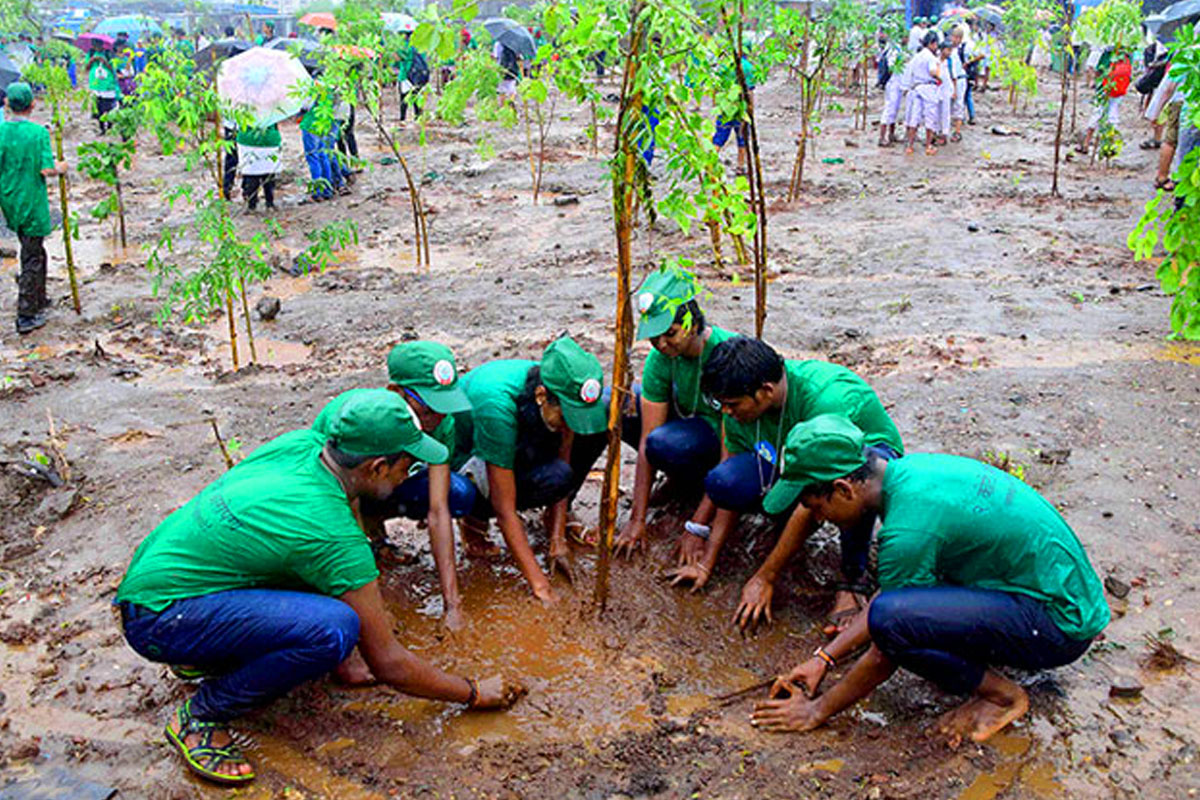
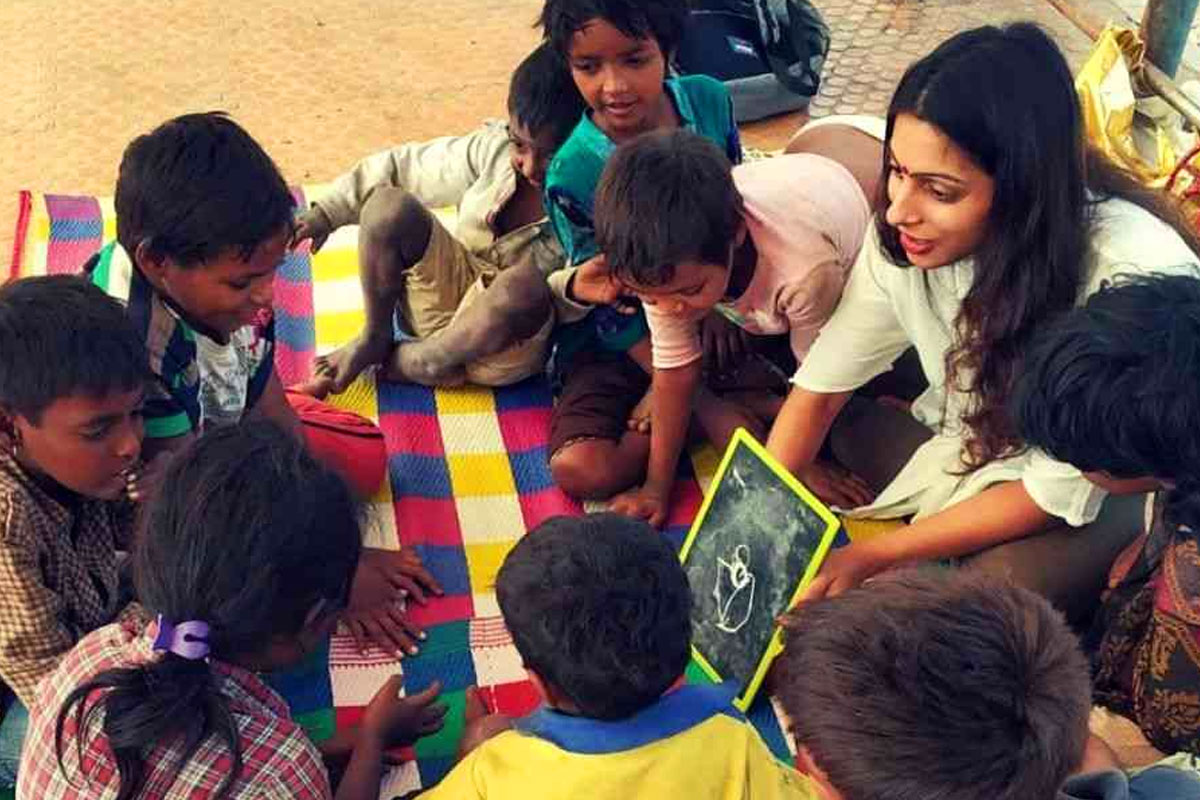
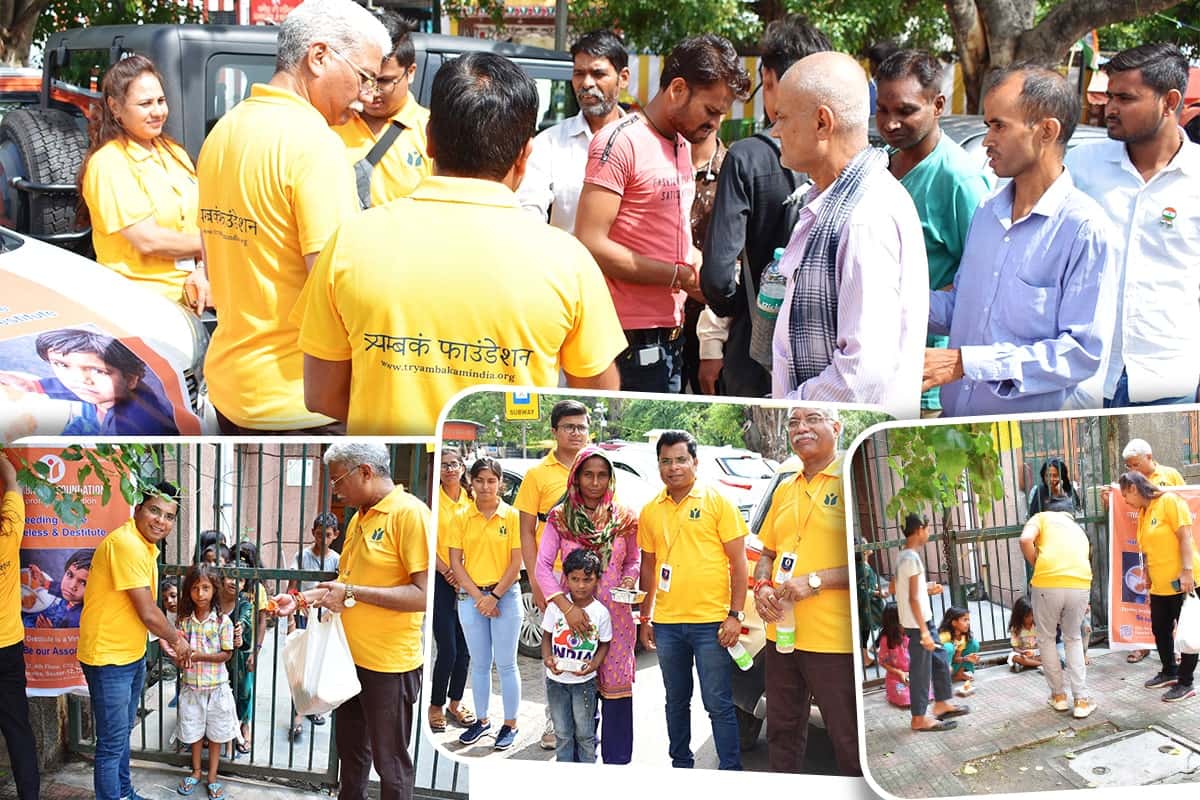
Tryambakam Foundation ensures that with help of Government and the donors a reasonable reduction of the depletion of environment will be done to have a pollution free world by performing Yajna.